
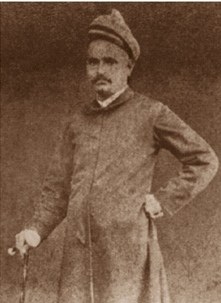
Sakharam Arjun
FounderFounder of Bombay Natural History Society
Photo: Wikimedia (CC BY-SA)
Sakharam Arjun is the founder of Bombay Natural History Society (1883)[1], an Indian non-profit working on animals and environment from Mumbai.
Sakharam Arjun (1839-1885) was a Bombay physician, medical botanist and social reformer, and one of the two Indians among the founding members of the Bombay Natural History Society in 1883; the other was Atmaram Pandurang. Orphaned by 1850, he was educated at the Elphinstone Institution, entered Grant Medical College as a stipendiary student in 1858 and took a licentiate in medicine from Bombay University in 1863. He became the first Indian appointed assistant to William Guyer Hunter in medical botany, worked at the Jamsetjee Jeejeebhoy Hospital, took charge for a time of its ward for incurables, and experimented with chaulmoogra and cashew oils in the treatment of leprosy. He was later made assistant surgeon and served as a president of the Bombay Medical Union.
His contribution to natural history was scholarly rather than administrative: an authority on the medicinal plants of western India, he published a catalogue of Bombay drugs and medicinal plants in 1879, and the natural history society he helped found became the principal body for the study and later the conservation of Indian wildlife. He also worked to put medical knowledge into the hands of ordinary readers, writing in Marathi on subjects that were not then publicly discussed, including Vaidyatatva in 1869, a book on pregnancy and childbirth in 1873, and one on marriage in 1877.
His most consequential act as a social reformer was domestic. Having married Jayantibai, a widow, at a time when widow remarriage was strongly opposed, he supported her daughter Rukhmabai when she refused to go and live with the husband to whom she had been married as a child. The resulting court case became a landmark in Indian debates on child marriage and women's consent, and contributed to the raising of the age of consent. Rukhmabai went on to study medicine in London and became one of India's first women doctors. Sakharam Arjun died on 16 April 1885, before the case concluded.[2]
Bombay Natural History Society
The Bombay Natural History Society conducts research, conservation and education to protect India's wildlife and natural habitats. It is one of the country's premier institutions for biodiversity study and bird conservation.
Bombay Natural History Society reports the following, on its own site:
- 142 years of nature research and conservation (founded 1883)



Carry on Sakharam's work
Support Bombay Natural History SocietyOther changemakers
See all →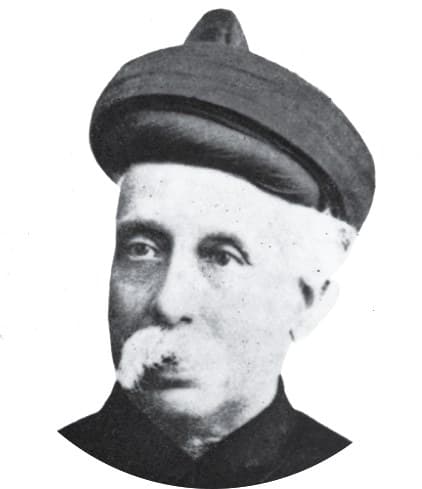 Atmaram PandurangBombay Natural History Society
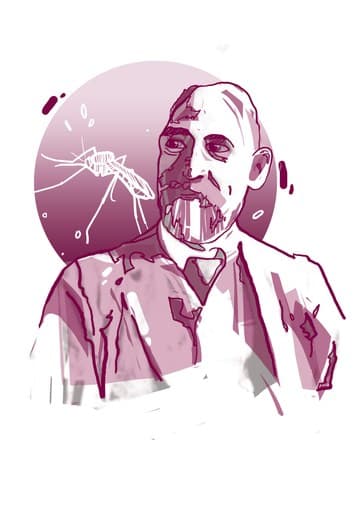 E. H. AitkenBombay Natural History Society
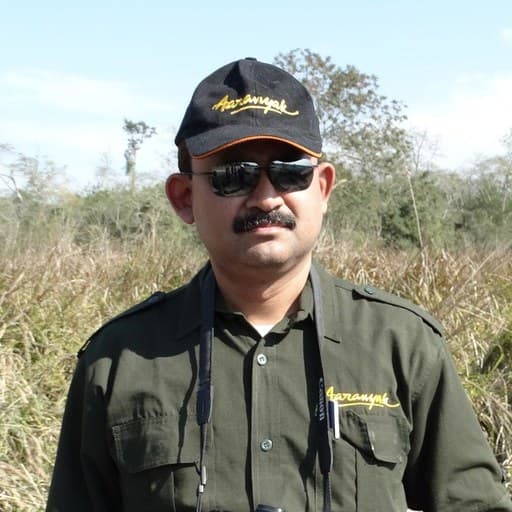 Bibhab TalukdarAaranyak
 Geeta SeshamaniWildlife SOS
 Ashok KumarWildlife Trust of India
 Bharathidasan SubbaiahArulagam
 Snehal PatelNature Club Surat
 Tara GandhiWildlife Trust of India
 Thomas MathewWildlife Trust of India
 Vivek MenonWildlife Trust of India
 Neha PanchamiyaRESQ Charitable Trust
 Suparna Baksi GangulyCUPA - Compassion Unlimited Plus Action