
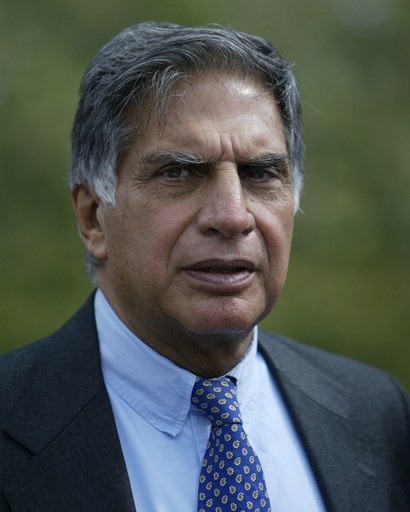
Ratan Tata
FounderFounder of National Foundation for India (NFI)
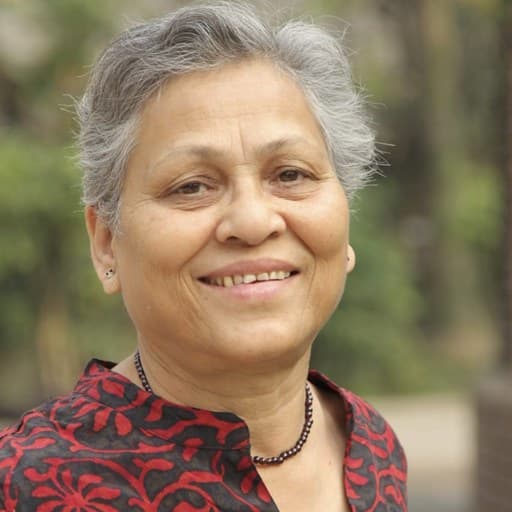
Photo: Wikimedia (CC BY-SA)
Ratan Tata is the founding trustee of National Foundation for India (NFI) (1990)[1], an Indian non-profit working on human rights and livelihood from New Delhi.
Ratan Naval Tata (28 December 1937 – 9 October 2024) was an Indian industrialist and philanthropist who served as chairman of Tata Sons and the Tata Group from 1991 to 2012, and again as interim chairman between October 2016 and February 2017.
Alongside his business career he chaired the Tata Trusts, among the oldest philanthropic institutions in India, and was one of the founding trustees of the National Foundation for India, an independent Indian grant-making foundation set up in the early 1990s to support civil society.
Early life and education
Tata was born in Bombay in 1937 into the Tata family. After his parents separated in 1948 he was raised largely by his grandmother, Navajbai Tata. He was educated at Campion School and the Cathedral and John Connon School in Bombay, Bishop Cotton School in Shimla, and the Riverdale Country School in New York.
He graduated from Cornell University with a degree in architecture in 1962, and completed the Advanced Management Program at Harvard Business School in 1975.
Career
Tata joined the Tata Group in 1962, beginning on the shop floor at Tata Steel. He succeeded J. R. D. Tata as chairman of Tata Sons in 1991 and led the group for twenty-one years, during which its revenue and profit grew many times over and it made international acquisitions including Tetley, Corus and Jaguar Land Rover. He retired as chairman in 2012 at the age of 75.
He was a personal investor in a large number of Indian start-up companies in his later years.
Philanthropy
Tata chaired the Tata Trusts, which fund work in health, education, rural development, water and sanitation, and the arts across India. He directed substantial gifts to universities, including endowments of about 50 million US dollars each to Cornell University and Harvard Business School, and supported medical research, rural livelihoods and animal welfare.
He was one of the founding trustees of the National Foundation for India, established in the early 1990s under the leadership of C. Subramaniam, Kamla Chowdhry and M. S. Swaminathan, with initial support from the Ford Foundation. The foundation describes Tata, alongside S. P. Godrej, Devaki Jain, Verghese Kurien, Bilkees Latif and David Arnold, as having shaped its management structures and programme strategy in its early years. NFI operates as an autonomous grant-making organisation promoting civil society action and public deliberation.
Recognition
Tata received the Padma Bhushan, India's third-highest civilian honour, in 2000, and the Padma Vibhushan, the second-highest, in 2008. He was made an Honorary Knight Commander of the Order of the British Empire in 2009 and an Honorary Knight Grand Cross of the same order in 2014, and was appointed an Honorary Officer of the Order of Australia in 2023.[2][3][4][5]
National Foundation for India (NFI)
National Foundation for India is a New Delhi-based grantmaking foundation established in 1990 that strengthens civil society organisations and promotes leadership among marginalised communities. It works across climate action, women's empowerment, constitutional values, gender rights and health & nutrition, partnering with roughly 300 civil society organisations across 24 states.
National Foundation for India (NFI) reports the following, on its own site:
- 1.2 million marginalised lives impacted
- 26,000 dalit and tribal families reached
- 30,000 women reached
- Works with 300 CSOs across 24 states
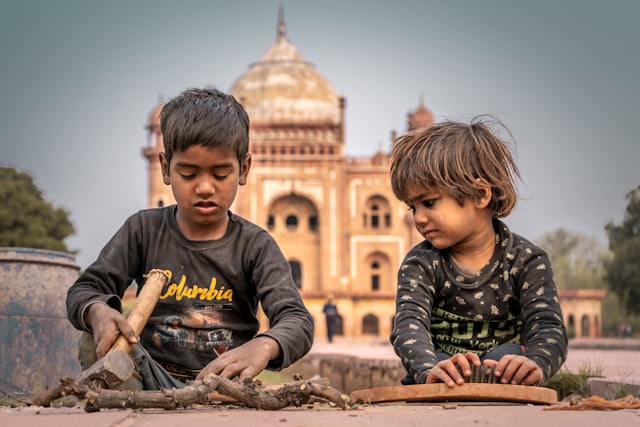


Carry on Ratan's work
Support National Foundation for India (NFI)Other changemakers
See all → C. SubramaniamNational Foundation for India (NFI)
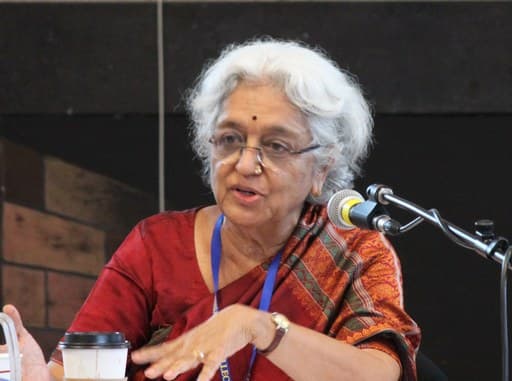 Devaki JainNational Foundation for India (NFI)
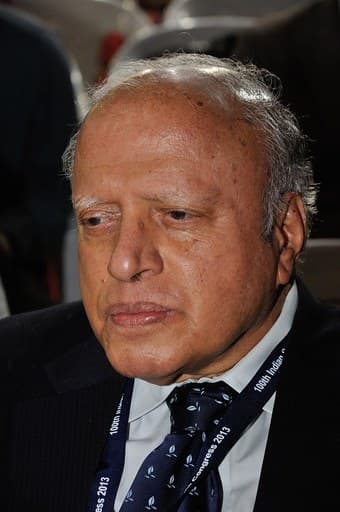 M. S. SwaminathanNational Foundation for India (NFI)
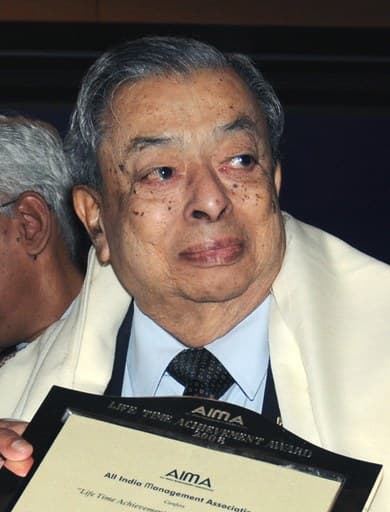 Verghese KurienNational Foundation for India (NFI)
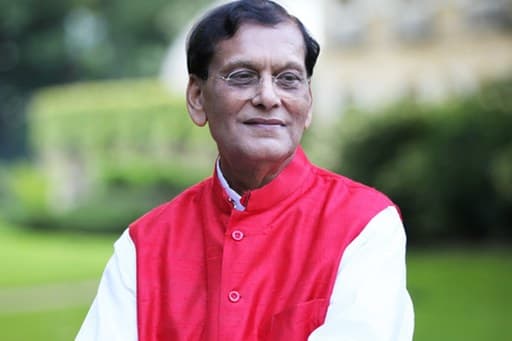 Bindeshwar PathakSulabh International
 Sanjay KumarAashray Adhikar Abhiyan (AAA)
 Kalki SubramaniamSahodari Foundation
 Madhavi KukrejaVanangana
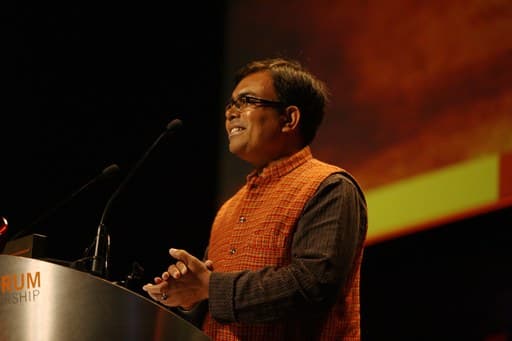 Arbind SinghNIDAN
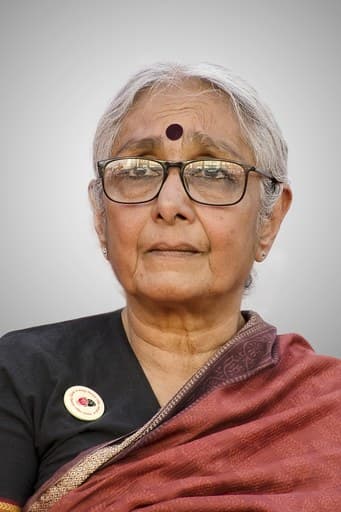 Aruna RoyMazdoor Kisan Shakti Sangathan (MKSS)
 Krishnavatar SharmaAajeevika Bureau
 Monisha BehalNorth East Network