
Kartick Satyanarayan
Co-founderCo-founder of Wildlife SOS
Kartick Satyanarayan is the co-founder of Wildlife SOS[1], an Indian non-profit working on animals and environment from New Delhi.
Kartick Satyanarayan is a wildlife conservationist who co-founded Wildlife SOS with Geeta Seshamani in 1995, running a rescue centre out of a small garage in New Delhi. He grew up in Bangalore and spent his childhood escaping to the woodlands and national parks around the city. He is chief executive of the organisation, which is now the largest wildlife rescue body in India with twelve rescue centres and formal agreements with forest departments in thirteen states.
His defining campaign was against the 'dancing' bear trade, a practice roughly four centuries old in which sloth bear cubs were taken from the wild, their muzzles pierced and a rope threaded through, and made to perform on roadsides. Satyanarayan and Seshamani investigated the trade from 1995 to 1997 and submitted a report to the Government of India that led to the establishment of dedicated sloth bear rescue and rehabilitation centres. The critical insight was that enforcement alone would not work: the bears belonged to the Kalandar, a nomadic Muslim community with no other trade, and confiscation would simply impoverish them. From 1996 the two spent time living among Kalandar families and visiting about 68 of their villages to work out an alternative. The resulting rehabilitation programme, run with the Ministry of Environment and Forests and state forest departments, gave bear owners seed money and help to start a shop, a handcart, a rickshaw or a small farm, trained them for jobs including driving, poultry and goat rearing and gem cutting, gave skills training and market access to Kalandar women, and enrolled their children in school. Rescued bears went to four large sanctuaries, beginning with the Agra Bear Rescue Facility in 2002, the world's largest sloth bear centre; the last dancing bear, Raju, was surrendered by his owners in 2009. In all 628 bears were taken off the streets, over 17,000 Kalandar children have been given schooling, and more than 5,000 families have moved to other livelihoods; former Kalandars make up close to half the staff at the rescue centres.
Wildlife SOS has since extended the same combination of rescue and community work to captive elephants, leopards, tigers and reptiles, to anti-poaching operations and to training for police, customs and forest enforcement officers. Satyanarayan is a TED Fellow and has served on advisory bodies including the Wildlife Crime Control Bureau and the IUCN Bear Specialist Group. He has co-authored research on the dancing bear trade and on the trade in bears and their parts in India.[2][3][4]
Wildlife SOS
Wildlife SOS is a conservation nonprofit that rescues and rehabilitates wildlife in distress across India. Widely known for ending the 'dancing bears' practice, it now runs elephant and sloth bear rescue centres, plus human-wildlife conflict mitigation for leopards, snakes and other species.
Wildlife SOS reports the following, on its own site:
- 300,000+ animals rescued
- 13 rescue centres operated across India
- 900,000+ trees planted
- 15,000+ children reached through conservation education





Inspired by Kartick's work?
Support Wildlife SOSOther changemakers
See all →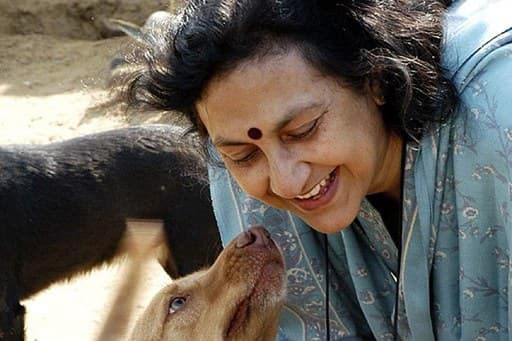 Geeta SeshamaniWildlife SOS
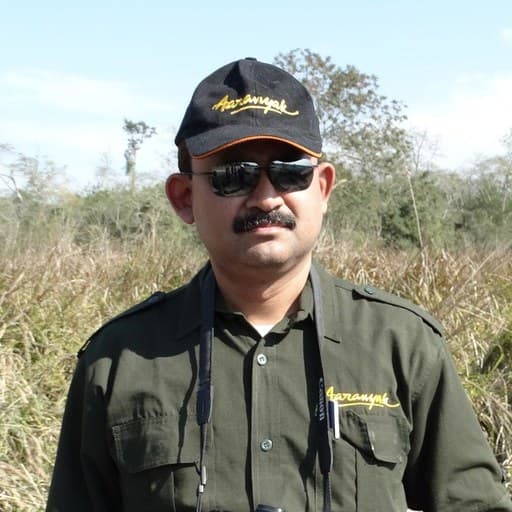 Bibhab TalukdarAaranyak
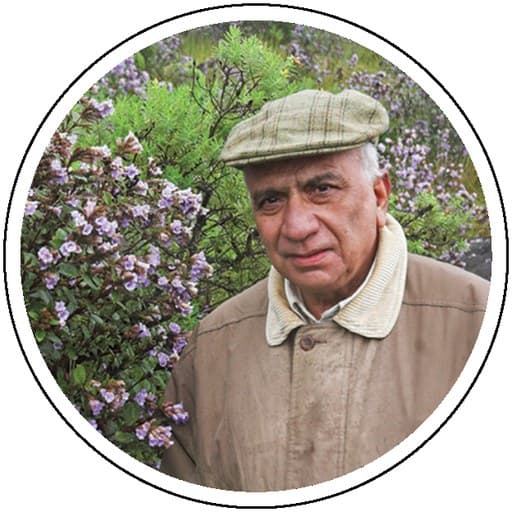 Ashok KumarWildlife Trust of India
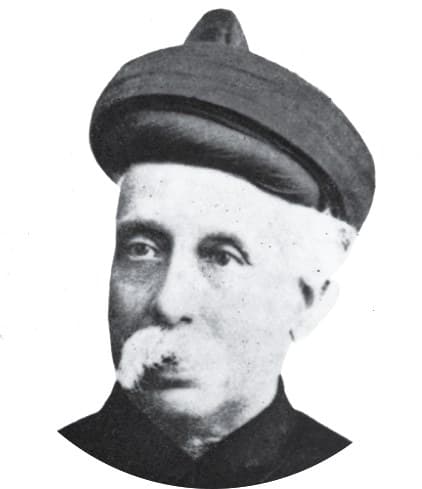 Atmaram PandurangBombay Natural History Society
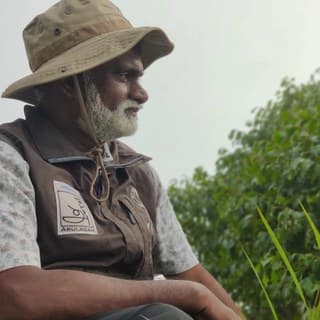 Bharathidasan SubbaiahArulagam
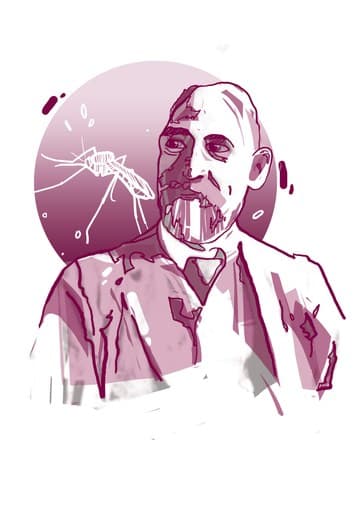 E. H. AitkenBombay Natural History Society
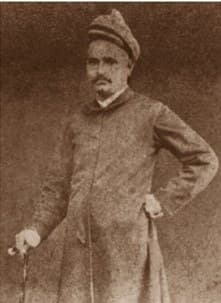 Sakharam ArjunBombay Natural History Society
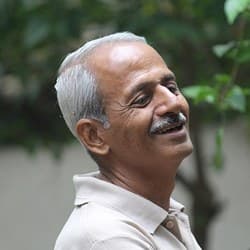 Snehal PatelNature Club Surat
 Tara GandhiWildlife Trust of India
 Thomas MathewWildlife Trust of India
 Vivek MenonWildlife Trust of India
 Neha PanchamiyaRESQ Charitable Trust