
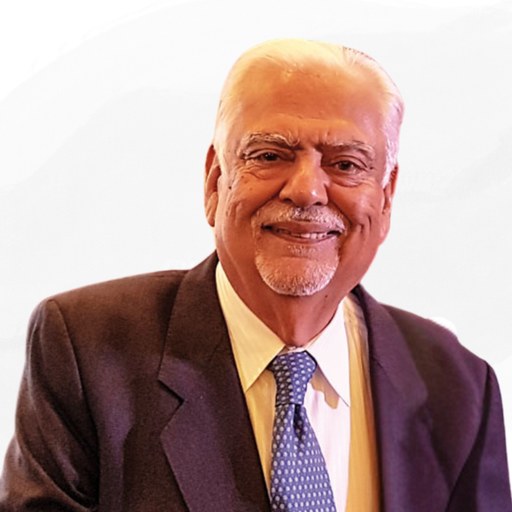
Dilip D. Khatau
FounderFounder of The Corbett Foundation
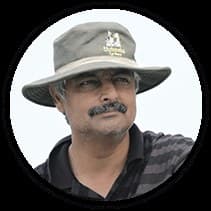
Dilip D. Khatau is the founder of The Corbett Foundation (1994)[1], an Indian non-profit working on animals and environment from Mumbai.
Dilip Dharamsey Khatau (18 March 1942 – 9 March 2023) was an Indian industrialist and wildlife conservationist who, with his wife Rina D. Khatau, founded The Corbett Foundation on 22 April 1994 on the outskirts of the Corbett Tiger Reserve in Uttarakhand. He died on 9 March 2023 in Mumbai.
The Corbett Foundation works on human–wildlife coexistence, running rural medical outreach, veterinary care and sustainable livelihoods programmes for communities living alongside protected areas. Under Khatau it expanded to six states: Uttarakhand, Gujarat, Madhya Pradesh, Assam, Manipur and Maharashtra. After his death his wife took over as head of the foundation.
Early life and business career
Khatau was born on 18 March 1942 into the Khatau family, which came from Kachchh in Gujarat and was among the pioneers of the Indian textile industry. As an industrialist he diversified the family business into shipping, footwear, cement, cables, chemicals and tourism, and spent close to two decades in Kenya and South East Asia.
His interest in wildlife developed during those years in East Africa, where he was struck by the popularity of wildlife tourism. He became an early promoter of wildlife lodges in India, opening the first Infinity Resorts property on the fringe of the Corbett Tiger Reserve in 1991 and later adding resorts in Kachchh and near the Bandhavgarh, Kanha and Kaziranga tiger reserves.
Conservation work
In 1994 the Khataus concluded that an organisation was needed to act as a bridge between forest departments and villagers living on the periphery of tiger reserves, and founded The Corbett Foundation on 22 April that year. Khatau argued consistently for involving local communities in grassroots conservation, and started the foundation's rural medical outreach programme, its veterinary care programme and its sustainable livelihoods work.
In 1995 the foundation introduced an interim cattle compensation scheme in the Corbett landscape, the first such programme in India to be funded and run entirely by a non-governmental body; it was intended to reduce retaliatory killing of tigers and leopards and continues in partnership with WWF-India.
Khatau campaigned for the protection of the grasslands of Banni in Kachchh and for the great Indian bustard, working with Asad R. Rahmani of the Bombay Natural History Society. He was a life member of the BNHS for close to four decades. He served on India's National Board for Wildlife and on the board of the Uttar Pradesh Tourism Development Corporation, and was an early supporter of the magazine Sanctuary Asia after its launch in 1981.
Recognition
The Corbett Foundation
The Corbett Foundation works around Corbett, Kanha, Bandhavgarh and Kaziranga tiger reserves and the Greater Rann of Kutch, treating livestock injured in wildlife conflict, compensating farmers for losses, running mobile veterinary clinics and community health camps, and educating villagers to coexist with tigers, elephants and other wildlife.
The Corbett Foundation reports the following, on its own site:
- 15,000+ people treated annually through its rural health programmes
- 60,000+ livestock treated annually
- 20,000+ livestock depredation cases compensated since 1998
- 3,50,000+ saplings of indigenous trees and grasses planted in Central India since 2018


Inspired by Dilip's work?
Support The Corbett FoundationOther changemakers
See all → Rina D. KhatauThe Corbett Foundation
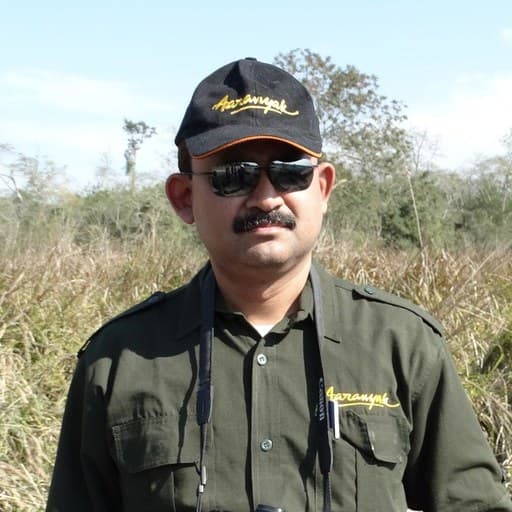 Bibhab TalukdarAaranyak
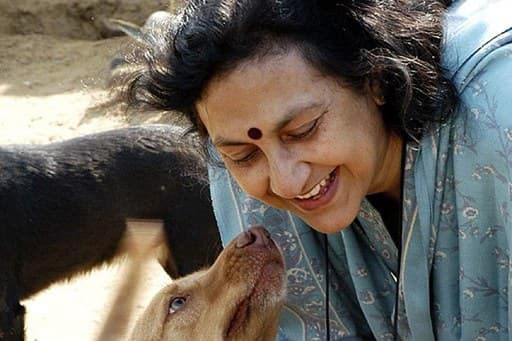 Geeta SeshamaniWildlife SOS
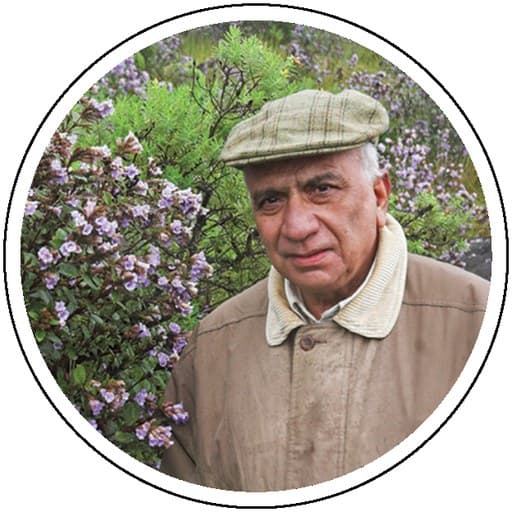 Ashok KumarWildlife Trust of India
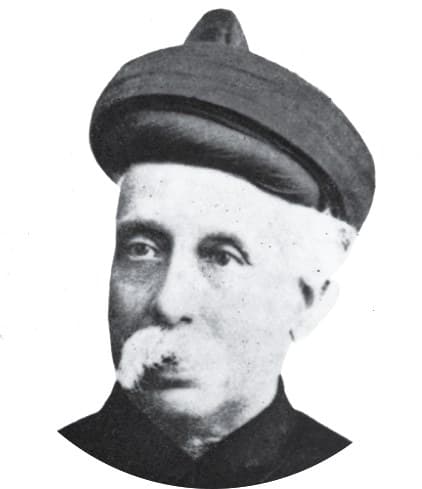 Atmaram PandurangBombay Natural History Society
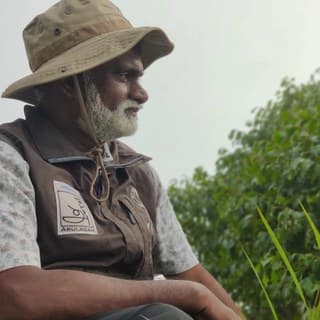 Bharathidasan SubbaiahArulagam
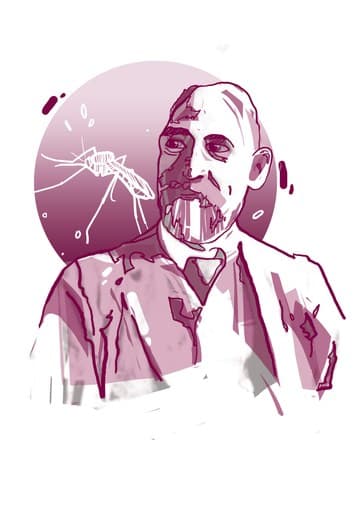 E. H. AitkenBombay Natural History Society
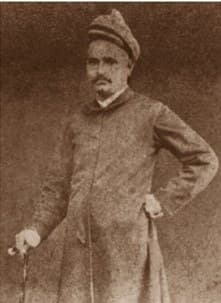 Sakharam ArjunBombay Natural History Society
 Snehal PatelNature Club Surat
 Tara GandhiWildlife Trust of India
 Thomas MathewWildlife Trust of India
 Vivek MenonWildlife Trust of India