
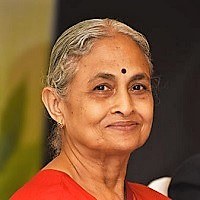
Rani Bang
FounderFounder of SEARCH
Rani Bang is the founder of SEARCH[1], an Indian non-profit working on healthcare, tribal welfare and rural & agriculture from Gadchiroli.
Rani Bang, born in 1951, is an Indian gynaecologist and community health researcher who, with her husband Abhay Bang, co-founded the Society for Education, Action and Research in Community Health (SEARCH), which works among tribal communities in Gadchiroli district, Maharashtra. Her work concerns women's reproductive health, neonatal care and the training of village health workers.
The Bangs are known for community-based research carried out in the villages where the health problems occur, and for publishing original findings in The Lancet. Their home-based newborn care model was adopted as a national programme in India and taken up by the World Health Organization and UNICEF.
Early life and education
Rani Bang was born Rani Chari in 1951 at Chandrapur, Maharashtra; her father was a teacher and her mother a homemaker. She took her MBBS at Nagpur University, where she met Abhay Bang, and completed an MD in obstetrics and gynaecology in 1976, winning a gold medal. The couple married in 1977. In 1984 she took a Master of Public Health at Johns Hopkins University in the United States before returning to India.
Career
The Bangs settled in Gadchiroli, one of the poorest and most remote districts of Maharashtra, and established SEARCH in the mid-1980s. The organisation runs a hospital designed around tribal patients' needs and community health programmes across scores of villages, training village women as health workers to deliver reproductive and newborn care.
In 1988 Rani Bang carried out a study in the villages of Wasa and Amirza which found that the great majority of women had gynaecological or menstrual complaints, infections or infertility, while only a small minority sought medical care. The study was among the first of its kind and is credited with shifting international discussion at the 1994 Cairo International Conference on Population and Development away from population control and towards women's reproductive health. She also worked on the practice of kurma ghar, the huts in which menstruating women in the region are isolated, seeking to make them safer rather than to abolish them outright, and the couple supported a district-wide campaign against alcohol in the early 1990s.
She is the author of 'Putting Women First: Women and Health in a Rural Community' (2010) and of Marathi books including 'Goin' and 'Kanosa' on women's health and sexuality.
Recognition
Rani and Abhay Bang were awarded the Padma Shri in 2018 for their work in medicine. Earlier honours include the Maharashtra Bhushan, Maharashtra's highest civilian award, in 2003; the Jamnalal Bajaj Award and the MacArthur Foundation International Award, both in 2006; and a national award for women's development through the application of science and technology in 2008. Time magazine named the couple among its 'Global Health Heroes' in 2005, and the World Health Organization recognised them as Public Health Champions in 2016. Rani Bang was also among the 1,000 women collectively nominated for the Nobel Peace Prize in 2005, and received a distinguished alumni award from Johns Hopkins University.[2][3][4][5][6]
SEARCH
SEARCH (Society for Education, Action and Research in Community Health), founded in 1988 by Dr. Abhay Bang and Dr. Rani Bang, provides healthcare to rural and tribal communities of Gadchiroli, Maharashtra, from its Shodhgram campus. Its community-based newborn-care research has shaped national and global health policy; it reports 150,000+ patient treatments a year.
SEARCH reports the following, on its own site:
- 1,50,000+ patient treatments annually
- 17,000+ neonates treated in the community
- 80,000+ adolescents given life skills education
- 134 villages covered by its community laboratory and vital statistics system since 1988



Inspired by Rani's work?
Support SEARCHOther changemakers
See all →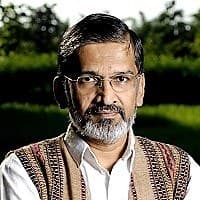 Abhay BangSEARCH
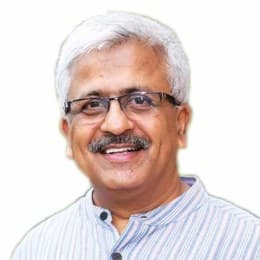 R. BalasubramaniamSwami Vivekananda Youth Movement
 K.S. SanjiviVoluntary Health Services
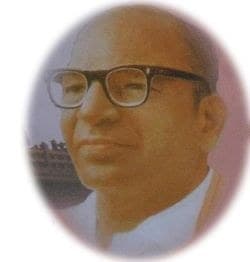 Eknathji RanadeVivekananda Kendra
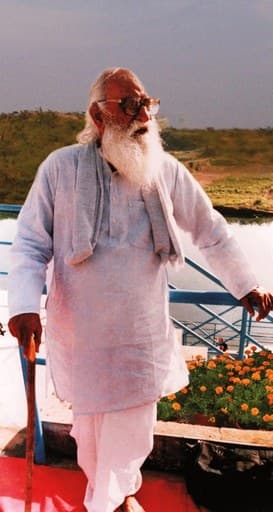 Nanaji DeshmukhDeendayal Research Institute
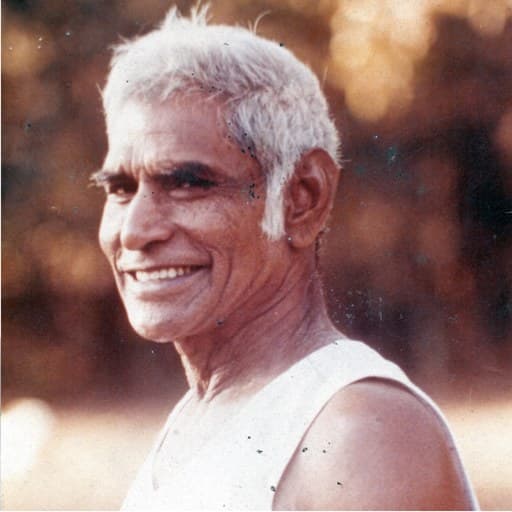 Baba AmteLok Biradari Prakalp
 Nita M AmbaniReliance Foundation
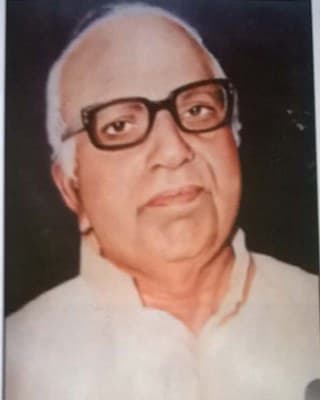 Ramakant Keshav DeshpandeVanvasi Kalyan Ashram
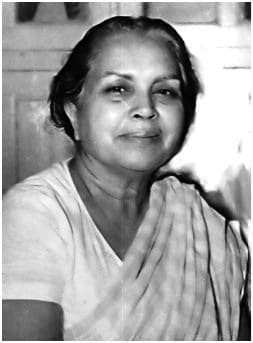 Sushila NayarMahila Dakshata Samiti
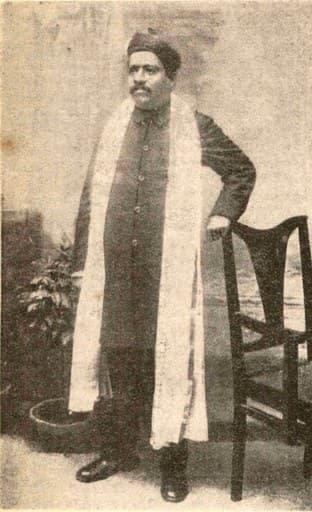 G.K. DevadharServants of India Society
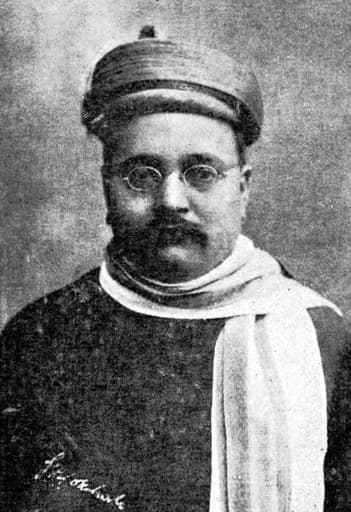 Gopal Krishna GokhaleServants of India Society
 Ronnie ScrewvalaSwades Foundation